
Walking into a stadium for the first time feels a bit like showing up at a friend's family reunion: everyone else seems to know the songs, the seating logic and the unspoken rules, while you're just trying to find the entrance that matches the letter on your ticket. That's completely normal, and it fades fast once you've done it once or twice.
This checklist walks you through the whole day, from buying the ticket to figuring out why the person next to you is standing when everyone else is sitting. Nothing here requires insider knowledge or a season-ticket holder's contacts book, just a bit of planning and a willingness to look slightly lost for the first twenty minutes.
Before You Buy a Ticket
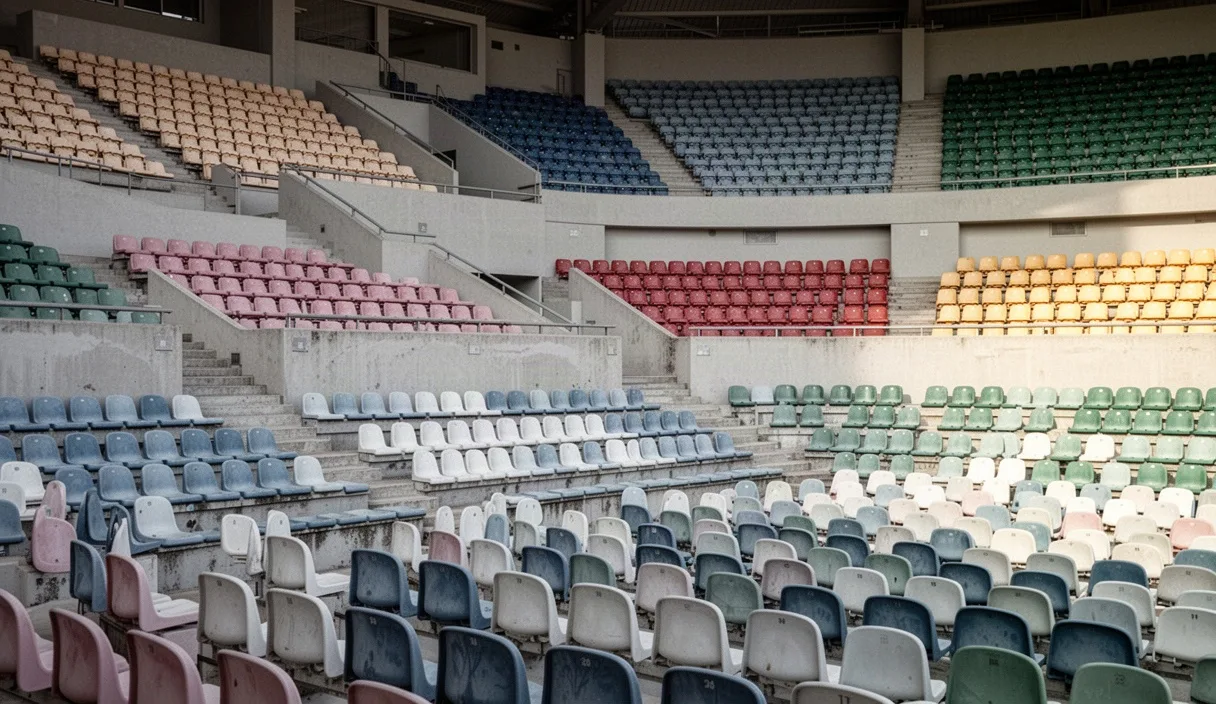
Not every seat gets the same match. Home end, away end, and neutral or "family" sections all have different atmospheres, and the price difference between them can be significant, sometimes 20 to 40 percent depending on the club. If you want noise, chanting and general chaos, look for tickets in the home end behind the goal. If you'd rather watch calmly and hear yourself think, a side stand or upper tier seat is usually a better fit.
Check the club's official website or app first. Third-party resale sites often mark up prices well above face value, and some clubs specifically warn fans that tickets bought outside official channels may be cancelled at the gate. If you're unsure whether a listing is legitimate, it's worth checking the club's own guidance page rather than guessing.
Look at kickoff time and transport options together. A 12:30 kickoff on a Saturday might mean packed trains an hour beforehand, while a midweek evening game could leave you scrambling for a return service afterward. Many clubs list recommended arrival times, often 60 to 90 minutes before kickoff, and that buffer exists for a reason: security queues, bag checks and ticket scanning all take longer than you'd expect on a busy matchday.
Finally, decide if you're going alone or with someone experienced. A first-timer going solo isn't unusual, but if you know someone who attends regularly, tagging along even once can save you from a dozen small confusions later.
What to Bring to the Stadium
Stadiums are stricter than most public venues about what you can carry in, and rules vary by club and country, so always check the specific ground's policy before you leave home. That said, some patterns are common across most venues.
- Ticket, digital or printed: confirm whether your club uses app-based entry, a physical ticket, or a smart card, since scanning systems differ.
- ID: some clubs require photo identification matching the ticket name, particularly for members' or season ticket seats.
- Cash and card: many stadiums have gone cashless for concessions, but a small amount of cash still helps outside the ground for programmes or street vendors.
- Weather layer: a compact rain jacket or an extra layer takes up little space and matters more than people expect, since stands are rarely covered on all sides.
- Clear bag, if required: a growing number of grounds enforce clear-bag policies, so check the size limits, often around A4 or slightly larger, before arriving with a backpack that gets rejected at the gate.
Leave large bags, glass bottles, flags on poles, and anything resembling a weapon or laser pointer at home. Selfie sticks and full-size umbrellas are commonly banned too, since they block views and can be safety hazards in tight seating rows.
Understanding Basic Stadium Etiquette
Seating logic is the first hurdle. Your ticket usually lists a stand, a section, a row and a seat number, in that order, and stewards positioned at entrances can point you the right way if the signage feels like a maze. Don't be shy about asking; stewards deal with confused first-timers constantly.
Standing versus sitting depends entirely on the section and sometimes the country. In some leagues, safe standing areas are officially designated and everyone stands for the whole match. In all-seater stadiums, sitting is generally expected except during goals or big moments, though in practice entire home ends often stand throughout regardless of the rule. Watch what the block around you does in the first five minutes and mirror it.
Language at matches can be blunt. Swearing during frustrating moments is common and rarely aimed at anyone personally, it's aimed at the referee, the opposition, or fate in general. If you're bringing children, ask the club about family sections, which typically have stricter behavior expectations and are seated away from the most intense chanting blocks.
A few etiquette basics worth remembering:
- Avoid wearing the away team's colors in a home end, and vice versa, purely to avoid unwanted attention.
- Don't block the view during a goal celebration by staying seated while everyone around jumps up, unless you have a mobility reason, in which case most clubs offer accessible viewing platforms.
- Keep phone calls short and quiet; a stadium bowl carries sound oddly, and a loud call two rows back is more noticeable than you'd think.
Following the Flow of the Game as a Newcomer
If this is your first live match of a sport you've only watched on television, the pace feels different in person. There's no replay screen guiding your eye, no commentator narrating what just happened, and no close-up camera confirming a foul. You're tracking the whole pitch at once, which takes a few minutes to adjust to.
A useful trick: pick one player to follow for the first ten minutes, ideally someone in a position you understand, like a striker or a goalkeeper. Watching their individual movement helps your eyes learn the rhythm of the game before you try to track everything simultaneously.
Large screens inside most stadiums show replays, scores from other matches, and sometimes VAR review information if the sport uses video assistant refereeing. Glancing at the screen during a stoppage is normal and won't make you look like a beginner, everyone does it.
If a decision confuses you, like why play stopped suddenly or why a player was shown a card, the crowd's reaction is often a faster clue than trying to work it out yourself. A collective groan usually means the decision went against the home side; a cheer means the opposite. You'll pick up the specific rules faster by watching a few matches than by reading a rulebook beforehand.
Chants and Crowd Behavior to Expect
Chants can feel like walking into a song you've never heard with no lyrics sheet. Most grounds have a handful of songs that repeat throughout the season, and regulars know them by heart. You don't need to sing along immediately, humming along or just enjoying the noise is completely fine for a first visit.
Some behavior that surprises newcomers:
| What You Might See | What It Usually Means |
|---|---|
| Sudden mass standing and arms raised | A near-miss chance or a goal, even before you've seen the ball go in |
| A section chanting a single player's name repeatedly | Recognition for a good performance or a returning player |
| Flares, smoke or scarves held aloft | Pre-match atmosphere building, common in home ends, though flares are banned at many grounds and can result in ejection |
| A wave of applause with no obvious goal | Often a tribute, sometimes for an injured player, a former player, or a moment of remembrance |
If the noise level feels overwhelming, most stadiums have quieter zones, typically in upper tiers or family sections, and stewards can usually redirect you if you ask before kickoff rather than mid-match.
Common Mistakes
Arriving right at kickoff time is the most frequent misstep; security lines alone can eat 20 minutes on a busy day, and you risk missing the opening minutes entirely. Another common one is wearing the wrong colors into the wrong section, which usually just draws a few odd looks but occasionally leads to a steward quietly asking you to move for your own comfort.
Bringing a bag that violates the clear-bag policy is an easy way to lose ten minutes at the gate while security sorts out where you can store it, if storage is even offered. Skipping a toilet or food stop before entering is another one people regret, since half-time queues at concession stands can stretch past ten minutes with lines forming from all directions.
Trying to record the entire match on your phone rather than watching it is a small regret many first-timers mention afterward, worth deciding in advance how much you actually want to film versus experience live.
After the Final Whistle
Exiting a full stadium takes patience. Most grounds funnel tens of thousands of people through a handful of gates, so leaving five or ten minutes before the final whistle, if the result is already settled, can save considerable time versus fighting the main crowd surge.
Transport hubs near stadiums get busy fast after matches. If you're using public transport, check whether the club or local transit authority publishes post-match schedules, since some services run extra departures specifically to handle the exit crowd.
For your next match, consider trying a different section than your first visit, home end one time, family stand the next, just to compare atmospheres. If you enjoyed the experience, look into membership schemes many clubs offer, which often provide priority ticket access before general sale opens.
If you found any part of the day physically uncomfortable, like standing for long periods or the noise level, it's worth mentioning to the ticket office ahead of your next visit, most clubs have accessibility staff who can advise on seating options suited to specific needs.